3 Simple Yet Powerful Mindfulness Art-Based Activities to Integrate Into Music Therapy
Mindfulness and creativity go hand in hand, offering a powerful way to engage clients in self-expression, emotional regulation, and relaxation. In music therapy, combining art-based activities with music helps create a multisensory experience that promotes mindfulness and healing. Whether you're working one-on-one or facilitating a group session, these three activities are simple yet effective tools that can be integrated into your music therapy practice. Each activity offers a unique way to foster focus, creativity, and self-reflection.
Mandalas: A Creative Tool for Mindfulness & Relaxation
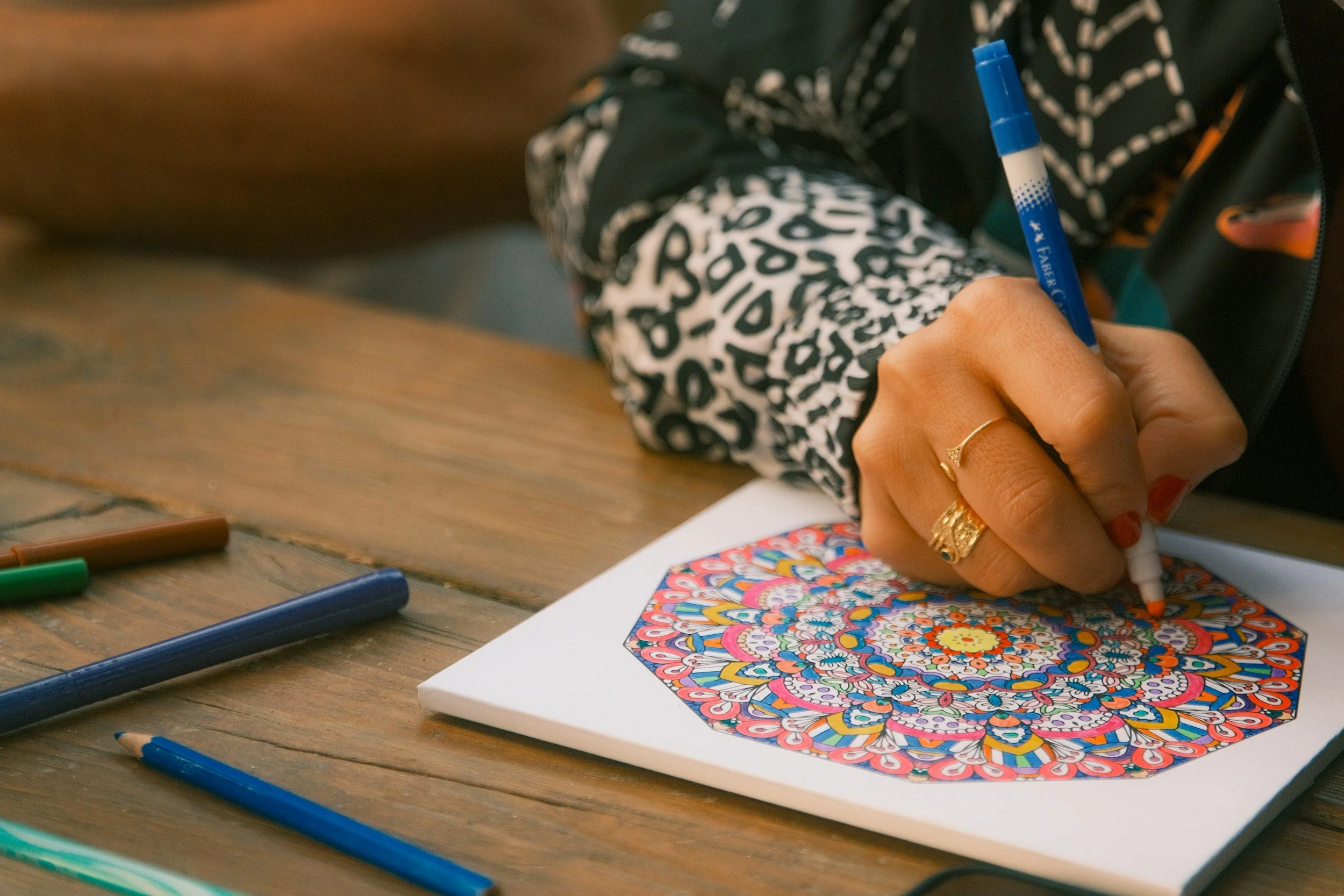
Mandalas are intricate, circular patterns that have been used throughout history for spiritual reflection, relaxation, and meditation. In the context of music therapy, they provide a valuable opportunity to slow down, focus, and engage in mindful reflection. This activity is accessible for individuals of all ages, from teens to adults, and can be adapted for both one-on-one sessions or group settings.
While clients draw or color mandalas, they are fostering a sense of inner peace and stillness, which is at the heart of mindfulness practices. This practice has been shown to reduce symptoms of anxiety, spark creativity, and improve focus.
How to Integrate Mandala Drawing with Music Therapy
To enhance the mindfulness benefits, you can seamlessly integrate the drawing process with music therapy interventions. Try the following:
Use a personalized, previously created playlist (better for individual sessions)
Use an immersive playlist for specific soundscapes or atmospheres (ie: bird songs, ocean sounds, space, etc.)
Provide live music
Connect colors with sounds using classical pieces, and encourage clients to respond to the music using different colors, lines, or shapes
Segue into mandala drawing as part of a lyric or song analysis intervention
How to Get Started with Mandala Drawing
To make this activity even more accessible to your clients, I’ve created a free .PDF download that you can share with them. It includes:
An introduction to the benefits of the mandala drawing process
Blank Circles for clients to draw their own mandalas
Premade mandalas for those who prefer a more structured design
You can easily incorporate this into your sessions, whether as a solo or group activity [I wonder what one giant group mandala would look like?]. Download your copy here!
The possibilities are endless when you combine the expressive power of art with the therapeutic use of music! 🎨 🎵
2. Origami: A Creative Tool for Mindfulness & Relaxation
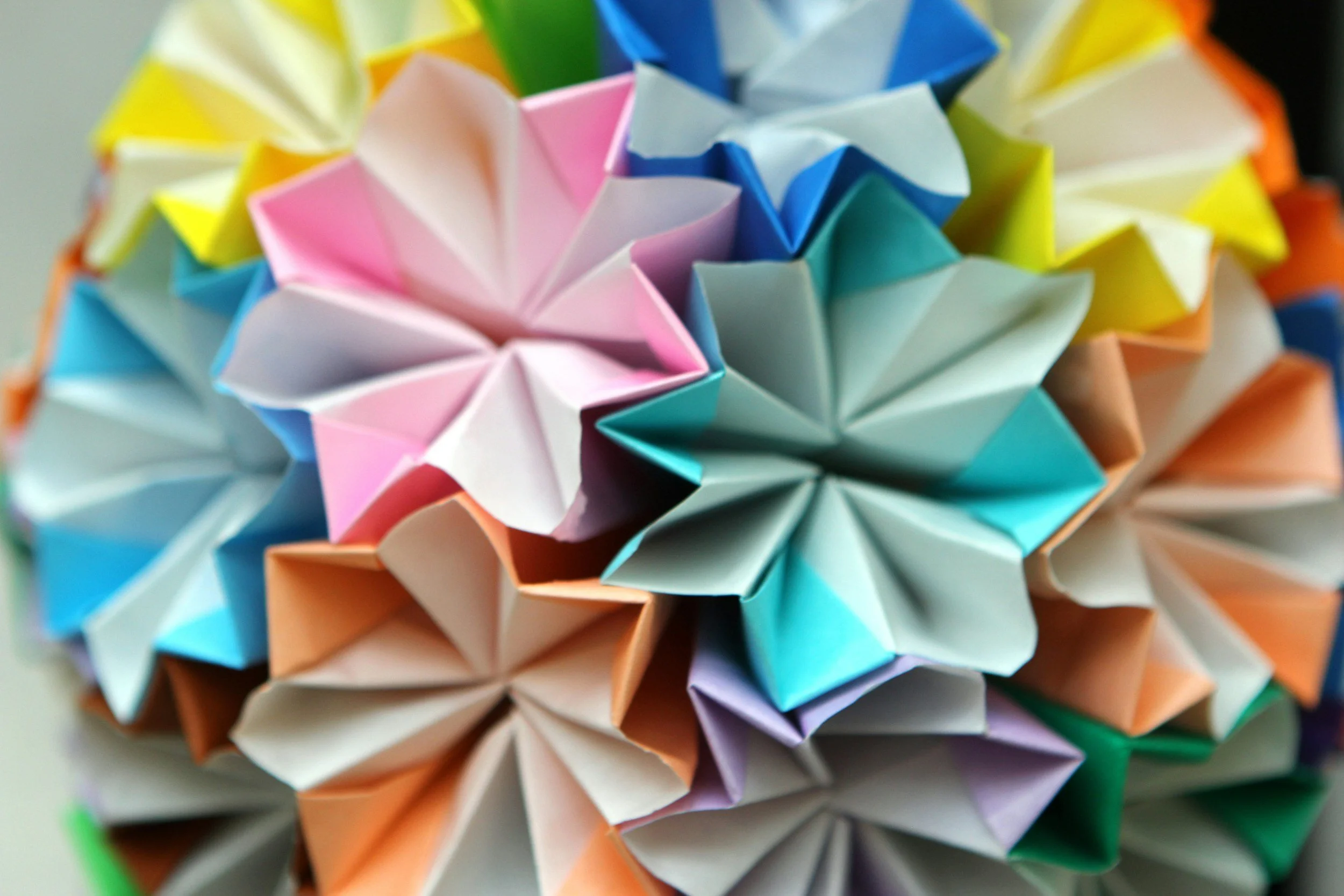
Origami is the art of paper folding! An art activity like origami is a wonderful addition to music therapy sessions, offering a creative way to promote relaxation, focus, and emotional regulation. Whether working with individuals or groups, this hands-on activity helps foster a sense of calm and concentration while enhancing fine motor skills and emotional processing. By pairing it with music, therapists can create a multisensory experience that supports therapeutic goals.
Why Origami?
Origami is an accessible tool for promoting self-regulation, and paper is easy to find! As clients work through different projects, origami becomes a valuable addition to their coping toolkit. It can be adapted to suit any skill level, making it versatile for a range of abilities. The process promotes focus and mindfulness, while the completion of each project offers a rewarding sense of accomplishment.
How to Integrate Origami with Music Therapy
Integrating origami with music therapy creates a rich, multisensory experience that can enhance therapeutic goals such as relaxation, emotional regulation, and focus. Below are some ideas on how to seamlessly combine these two activities in a music therapy setting:
Set the atmosphere with music: Select music and music interventions that align with the therapeutic goals of the session. Calming instrumental music or nature sounds can help create a relaxing environment, which is ideal for mindfulness and focus. More rhythmic or upbeat music can energize the client(s) and promote engagement.
Integrate into a thematic session: Use origami to enhance nature, holiday or educational themes. For example, make frogs for an “animals” theme, snowflakes for a “winter” theme, or cubes for a “shapes” theme.
Select projects based on therapeutic goals: Simple projects are good for relaxation and experiencing successful task completion. More advanced projects are helpful for clients working on problem-solving or perseverance.
Use the finished project as a reflection tool: Once the origami project is complete, use it as a reflection tool for the session. Discuss how the activity felt, what emotions it brought up, or how the music influenced the creative process.
Origami Project Ideas for Music Therapy
For inspiration and project ideas that integrate origami and mindfulness art, visit Origami For Everyone on Instructables. Here, you can find a wide range of tutorials that fit various therapeutic needs, from simple designs to more intricate creations.
Origami + music = a fun way to boost focus, mindfulness, and self-expression! 📄 🎹
3. Blackout Poetry: An Intuitive Mindfulness Tool

Blackout Poetry can be a powerful tool for release, clarity, healing, and focus. It requires concentration and intentionality, making it an ideal mindfulness activity. My favorite way to facilitate this during music therapy sessions is to begin with a guided meditation or breathing exercise to center the client(s), followed by a reflection on a theme such as "hope" or "resilience."
Next, I present a combination of 2-3 songs related to the theme, along with printed lyrics for the client(s). I encourage clients to follow their instincts and use the lyrics to create a piece of poetry that feels meaningful. They can either black out the words that don't resonate with them, or use highlighters to mark the words that stand out, then blacking out the remaining text. This approach leaves behind an original piece of poetry or even a fragment of music that can be revisited and used in future sessions.
To facilitate this you’ll need:
Highlighters and/or black markers
Song lyrics (multiple copies)
Playlist(s) and speaker
Not only does this activity provide a creative outlet for self-expression, but it also helps clients explore and process emotions, giving them a concrete tool to reflect on in future sessions. The final poem or lyric fragment can become a symbol of the theme explored and a personal expression of their journey.
For those exploring themes such as gratitude, hope, resilience, and staying in the present, I’ve curated a collection of Spotify playlists to complement your mindfulness and music therapy sessions. These playlists feature songs that inspire reflection, uplift the spirit, and encourage self-expression, making them perfect for black out poetry and other mindfulness interventions.
Grief: Songs for Healing and Loss
Hope: Songs to Uplift
Resilience: Songs to Keep Going
Here and Now: Songs for Being
Mindfulness: Instrumentals
The songs in these playlists serve as ideas to enhance the impact of your mindfulness and music therapy activities. Whether you're guiding a client through a reflection exercise or providing background music to support their creative expression, these songs can help.
Ready to dive deeper into mindfulness through music?
Click on the playlists above and let the music guide your journey. Feel free to share your thoughts or your favorite tracks in the comments—let’s explore how music can truly enhance mindfulness together!