
Building Vocabulary Through Music: 6 Effective Music Therapy Ideas for Language Development
During my time as a student teacher, I vividly recall our Vietnamese bilingual education professor—fluent in Spanish—singing "Bésame Mucho" and sharing how boleros ignited his passion for the language. His rendition brought a smile to my face and reminded me of the enthusiasm of my young English students as they went from being apprehensive learners to confident singers of new songs—all thanks to the power of music.
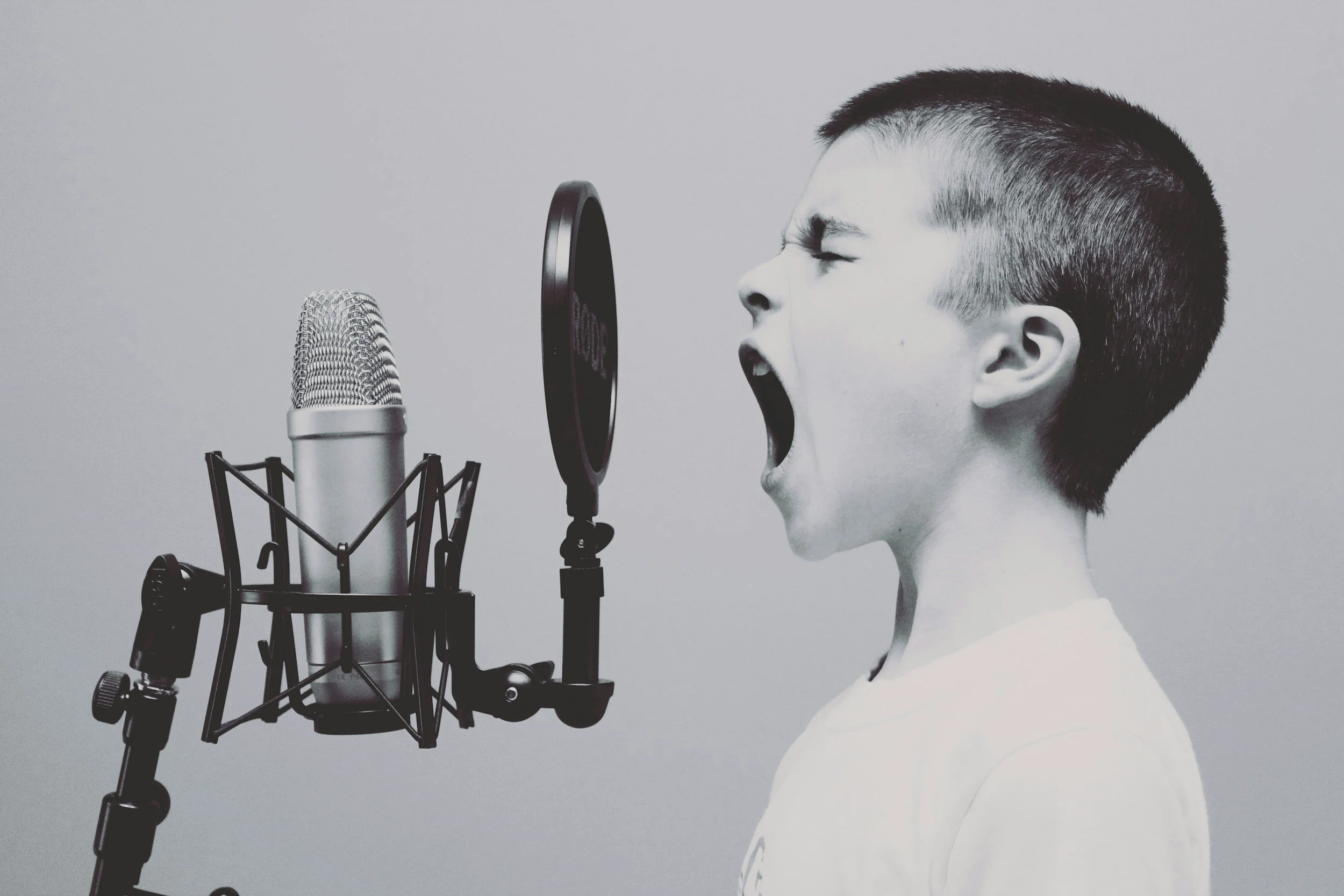
Addressing vocabulary development in music therapy isn't just effective—it's transformative. By engaging multiple areas of the brain, music enhances memory, phonological awareness, and emotional connection. Here are six evidence-based music therapy techniques to build vocabulary that you can integrate into your sessions.
1. Call-and-Response Singing 🎤
A tried-and-true technique for vocabulary building through music, call-and-response singing is a low-pressure way to introduce and model new words for your clients to repeat with confidence. Choose a familiar tune and weave in the target vocabulary. Then, guide your clients to repeat after you.

Why it works: This technique thrives on modeling and repetition, two powerful strategies for language acquisition. The rhythmic structure provides a scaffold for vocalization, while the predictive format helps build confidence. Best of all, call-and-response songs are highly adaptable to a variety of themes, target vocabulary, and clinical goals, making it a versatile tool in your music therapy toolkit.
2. Rhythmic Word Play 🧠
Rhythmic play is a simple and effective way to turn language into music. Assign a specific rhythm to each word or syllable, then tap, clap, or use body percussion to play them.
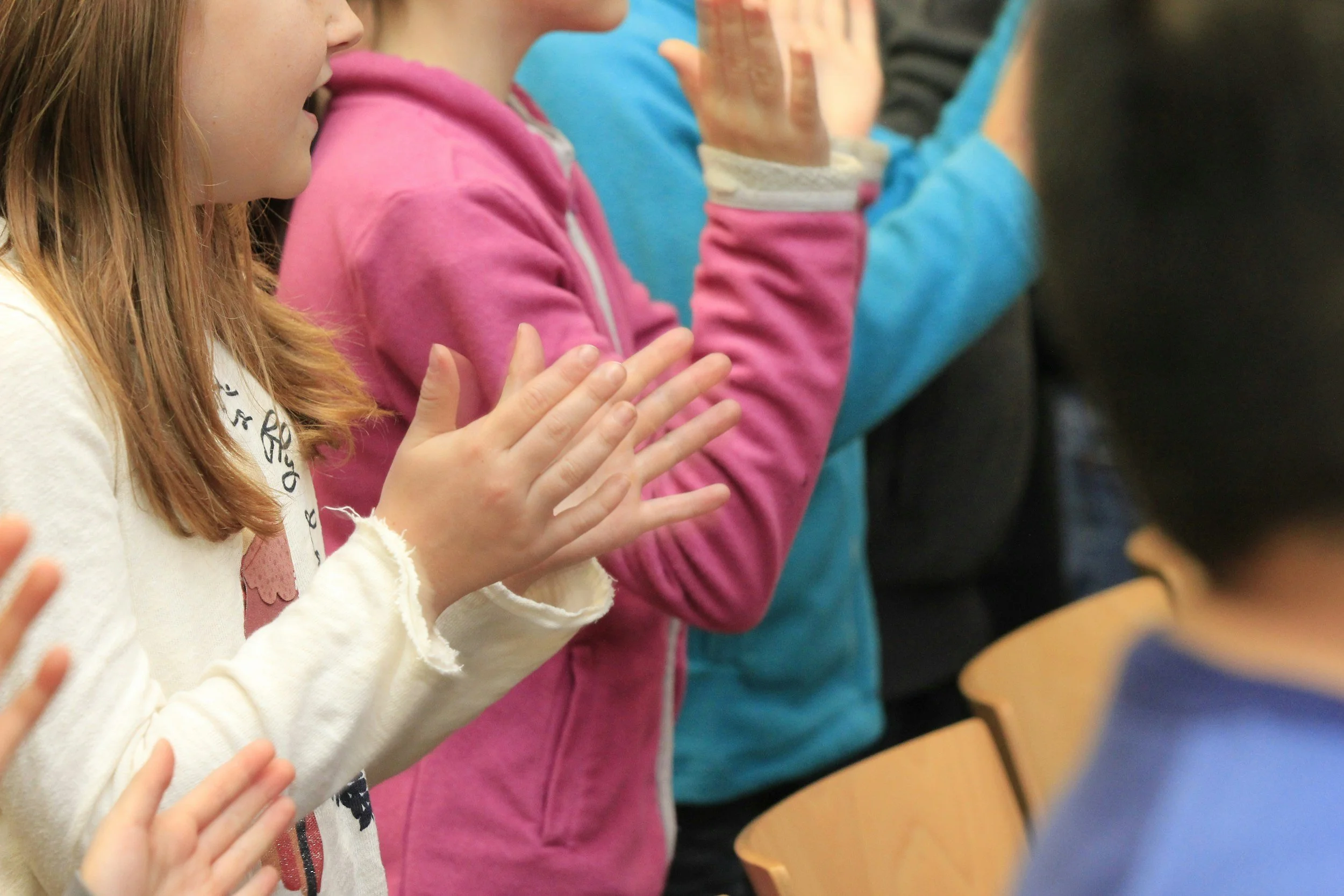
Why it works: Connecting words to rhythmic patterns helps engage auditory, motor, and memory systems all at once. This makes it easier for clients to retain and recall new words. This technique also supports expressive language skills, as seen in approaches like melodic intonation therapy. The same rhythms can be used for synonyms or word families, helping clients make connections and understand meaning and form.
3. Instrumental Word Exploration 🎺
This technique helps clients explore vocabulary through linking specific sounds and target words.

Why it works: Instrumental word exploration taps into the association between symbols and sounds, helping clients connect auditory cues with physical actions. This reinforces memory, recall, and receptive language skills. For example, a tambourine can be the rain, while a deep drum beat can be thunder. A shaker can be a snake, and a woodblock can be a horse. Whether exploring animals, emotions or action verbs, this technique brings vocabulary to life in a dynamic and memorable way!
4. Singing Play-by-Play 💃👀
This technique encourages clients to narrate the actions and moves of the therapist or other group members (puppets too), as they unfold.

Why it works: This creative approach encourages expressive language development and reinforces descriptive vocabulary. By narrating what they see as it happens, clients use specific language in context, whether to describe movements, objects or facial expressions. For instance, a client may sing about another group member who stands up, dances and plays a tambourine, then crouches and pauses, before standing again. As clients observe and narrate, they internalize vocabulary in a natural way. Clients can also engage by narrating their own movements out loud, creating ownership and fostering their creativity.
Pro-Tip: To enrich this technique, choose a variety of props by theme (ie: animal themed props for animal related vocabulary, color themed props for color words, etc.) This keeps the session fresh and engaging.
5. Improvised Descriptions
This is one of my favorite techniques! I vividly remember one of my clients graduating from, “This apple is red,” to, “This apple is red and delicious,” and finally, “This apple is red, sweet, and a little bit tart!” 😋

Why it works: Improvised descriptions encourage clients to use new vocabulary in a low-pressure environment. You can model new words, synonyms and inflection while reinforcing repetition and articulation.
Pro-Tip: Use multisensory items such as folk or ethnic instruments, artwork, fidget toys, stimulating objects, and even real food! Clients respond well to the novelty and personal connection this activity fosters.
6. Mad Libs Songwriting ✍️
A little silliness goes a long way! Mad Libs songwriting is an interactive and lighthearted way to reinforce expressive vocabulary, syntax, grammar, and creativity.

Why it works: Clients contribute words within different categories (animals, nouns, verbs, food, numbers), reinforcing recall and parts of speech in an engaging way.
Pro-Tip: Use familiar songs such as “Old McDonald,” or hits like “Count of Me” by Bruno Mars. Once the new lyrics are completed, sing through them together and get ready for laughter and spontaneous speech! This technique is appropriate for children and adults alike.
Building Up Language!
Incorporating music into vocabulary learning isn’t just effective, it’s engaging, versatile, and fun! These strategies are designed to be flexible and adaptable to different age groups and therapeutic settings. You can tailor them to fit your clients’ needs and developmental stages.
Want to try one of these techniques today? Click here for a Mad Libs songwriting activity you can bring into your sessions. Make individual copies, a large poster board or white board display, or use a PowerPoint for virtual sessions!

We would love to hear how these techniques work for you!
What is your favorite way to develop language through music?
Read another blog post about the connection between music and speech here!