
Music therapists know that music is never just auditory. In sessions, clients are already watching, moving, responding to visual cues, and interacting with props. When we intentionally combine music, movement, and visuals, we’re not adding extra layers—we’re supporting how brains naturally heal, engage, regulate, and learn.
This kind of multisensory approach can be especially powerful for children who thrive with structure, predictability, and hands-on learning.

Why Multisensory Learning Works (for kids and therapists)
Research shows that multisensory learning increases engagement, improves learning outcomes, and promotes long-term retention and recall. When multiple senses are activated at once, the brain forms stronger neural connections, making learning feel more accessible and less effortful.
For many children:
Visual supports reduce uncertainty and increase understanding
Movement supports self-regulation, body awareness, and attention
Music fosters emotional connection, motivation, and joy
Together, these elements create an environment where children feel supported, regulated, and eager to participate. For therapists, multisensory strategies also offer clearer session flow, stronger transitions, and more consistent, observable client responses.
By expanding music therapy beyond sound alone, we’re not changing what music therapy is, we’re strengthening what it has always done best.
Visuals as Structure, Not Distraction
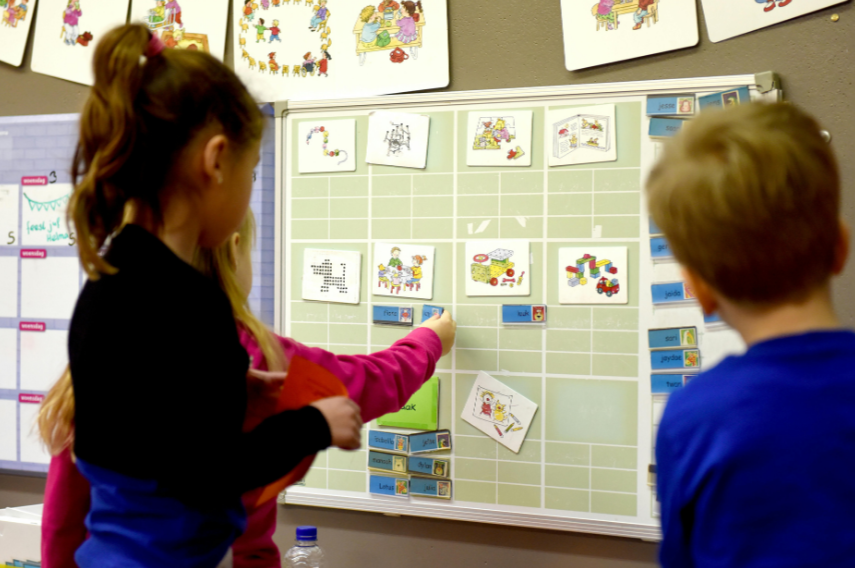
Visuals can often be misunderstood as distractions or “extra,” but clinically they function as anchors. Schedules, choice boards, behavior expectations and song visuals provide clarity. They answer the unspoken questions of “What’s next?” and “How long?” This sense of structure can help reduce clients’ anxiety and increase their willingness to engage.
Some visuals that directly support the structure and flow of sessions are:

Emotion visuals or check ins (great for pre- and post-assessments)
Song choice boards
Visual schedules
Song-specific visuals (lyrics, icons, characters)
You can find editable samples of visual resources HERE.
Purposeful Movement: Beyond Getting the Wiggles Out
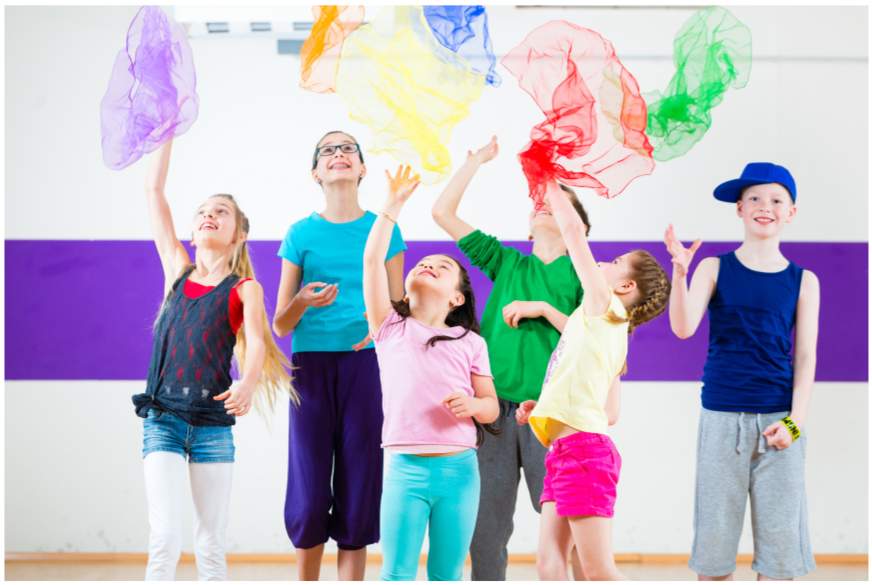
Movement in music therapy goes beyond filling time or burning energy. It’s a regulatory tool. When it’s predictable and structured, it can help children organize sensory input, maintain engagement, and transition smoothly between activities.
What does it look like?
Steady marching, tapping, or swaying during hello songs
Crossing the midline with scarves, rhythm sticks or small percussion instruments
Freeze/move contrasts to support impulse control
Body percussion for sensory input
If movement is something you want to explore more intentionally in your music therapy sessions, the Music for Kiddos blog and podcast are a great place to start. These resources dive into how movement supports regulation, engagement, and learning, offering practical insights and clinical reflections that pair well with this course content.
You may enjoy:
“Ready-to-Go” Materials Matter
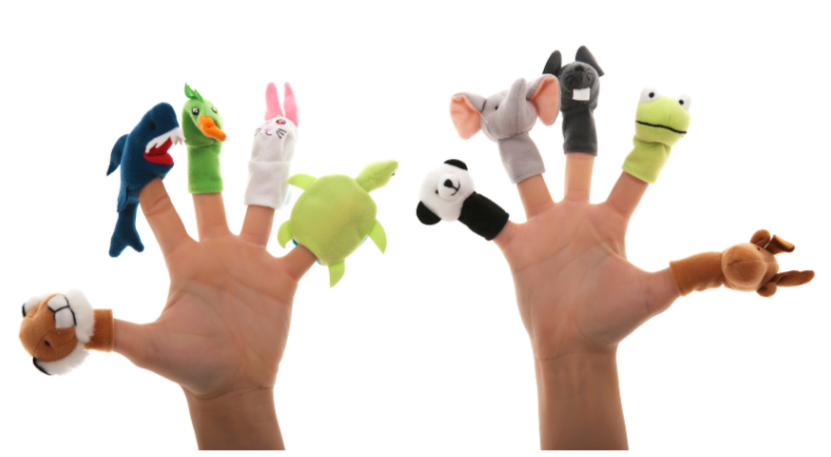
As a busy music therapist, I love when “past me” takes care of “future me.” Having ready-to-go, multisensory therapy materials keeps me sane, organized, and most importantly, helps me deliver high-quality music therapy sessions and engage clients through movement, visuals, and sound. It’s my secret to managing limited or shortened session planning time and maintaining high caseloads without burning out.
Some of my “go-to’s” include:
Reusable visuals and dry-erase materials
(sheet protectors, dry erase boards, laminated resources, or clear document pockets)
Pre-written songs with simple, adaptable structure and lyrics
Session plans that integrate music, movement, and visuals
Singable books, supported by props and movement (read this blog post and listen to this Music For Kiddos podcast episode for some singable book ideas)

If you’re looking to deepen your understanding of multisensory music therapy interventions and lighten your planning load, Make It Multisensory! provides a practical, ready-to-use framework for combining music, movement, and visuals in meaningful, client-centered ways.
By integrating these strategies, you can boost client engagement, simplify preparation, and deliver sessions that are both fun and effective, even on your busiest days.
🎹 We’d love to see how you bring music, movement, and visuals into your sessions; drop a comment below!
This post contains affiliate links. As an Amazon Associate, I earn from qualifying purchases. I may receive a commission if you purchase through my links, at no extra cost to you. That being said, we only promote things we absolutely LOVE!